
Description
Material:
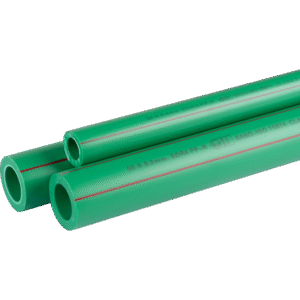
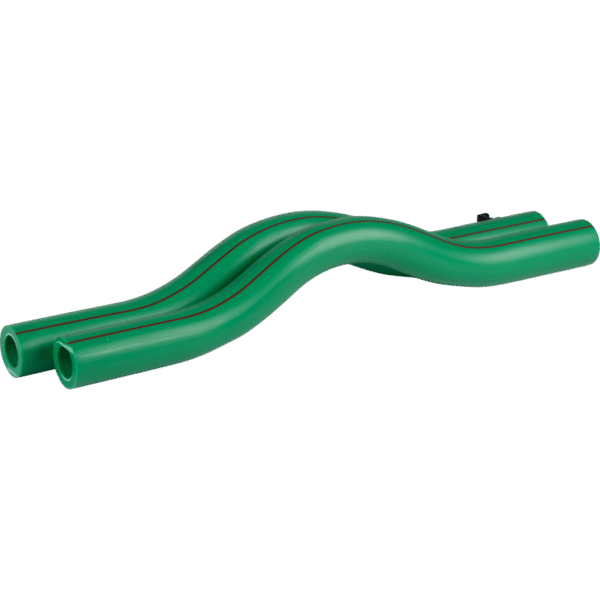
Neproplast manufactures Over Bridge fittings from Polypropylene Random Copolymer (PPR), a thermoplastic material known for its:
-
High chemical resistance – suitable for transporting hot and cold water, chemicals, and other fluids without corrosion or scaling.
-
Excellent mechanical strength – ensuring long service life even under high pressure and temperature variations.
-
Thermal stability – capable of handling continuous hot water applications while maintaining dimensional integrity.
-
Hygienic properties – PPR is non-toxic, making it ideal for potable water systems.
Applications:
-
Crossing pipelines in water supply and drainage networks.
-
Complex piping systems in residential, commercial, and industrial projects.
-
Situations requiring efficient space management where pipelines intersect.
Integration:
The Over Bridge fitting is fully compatible with standard PPR piping systems, ensuring easy installation through socket fusion or electrofusion welding. Its smooth internal surface minimizes frictional losses and prevents sediment build-up, enhancing hydraulic efficiency.
Description
Material:
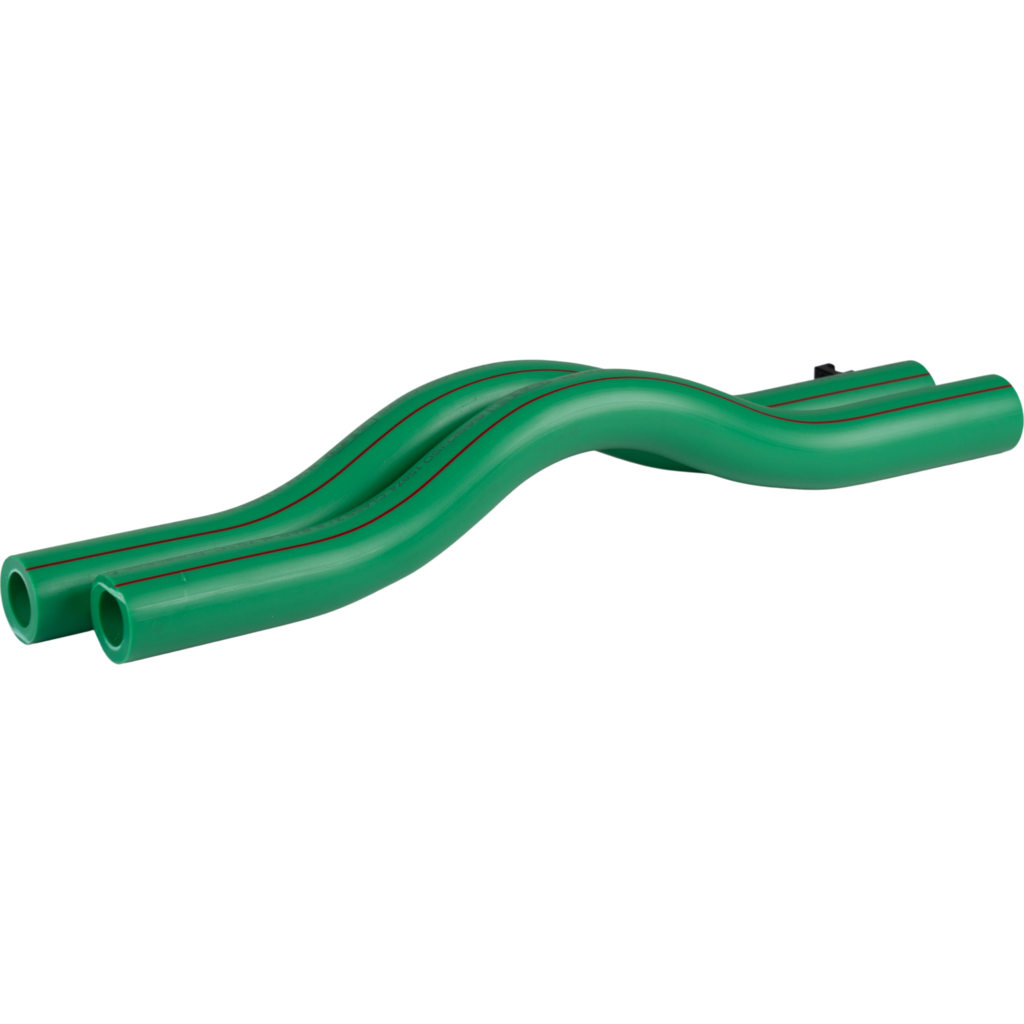
Neproplast manufactures Over Bridge fittings from Polypropylene Random Copolymer (PPR), a thermoplastic material known for its:
-
High chemical resistance – suitable for transporting hot and cold water, chemicals, and other fluids without corrosion or scaling.
-
Excellent mechanical strength – ensuring long service life even under high pressure and temperature variations.
-
Thermal stability – capable of handling continuous hot water applications while maintaining dimensional integrity.
-
Hygienic properties – PPR is non-toxic, making it ideal for potable water systems.
Applications:
-
Crossing pipelines in water supply and drainage networks.
-
Complex piping systems in residential, commercial, and industrial projects.
-
Situations requiring efficient space management where pipelines intersect.
Integration:
The Over Bridge fitting is fully compatible with standard PPR piping systems, ensuring easy installation through socket fusion or electrofusion welding. Its smooth internal surface minimizes frictional losses and prevents sediment build-up, enhancing hydraulic efficiency.